What Are the Industrial Applications of Graphite?
Graphite is one of the most versatile industrial minerals in use today. It is a critical input for lithium-ion battery anodes, steelmaking refractories, lubricants, foundry products and many other applications, and demand is rising as electrification accelerates. Understanding where graphite is used helps buyers define the grade, flake size and purity they actually need.
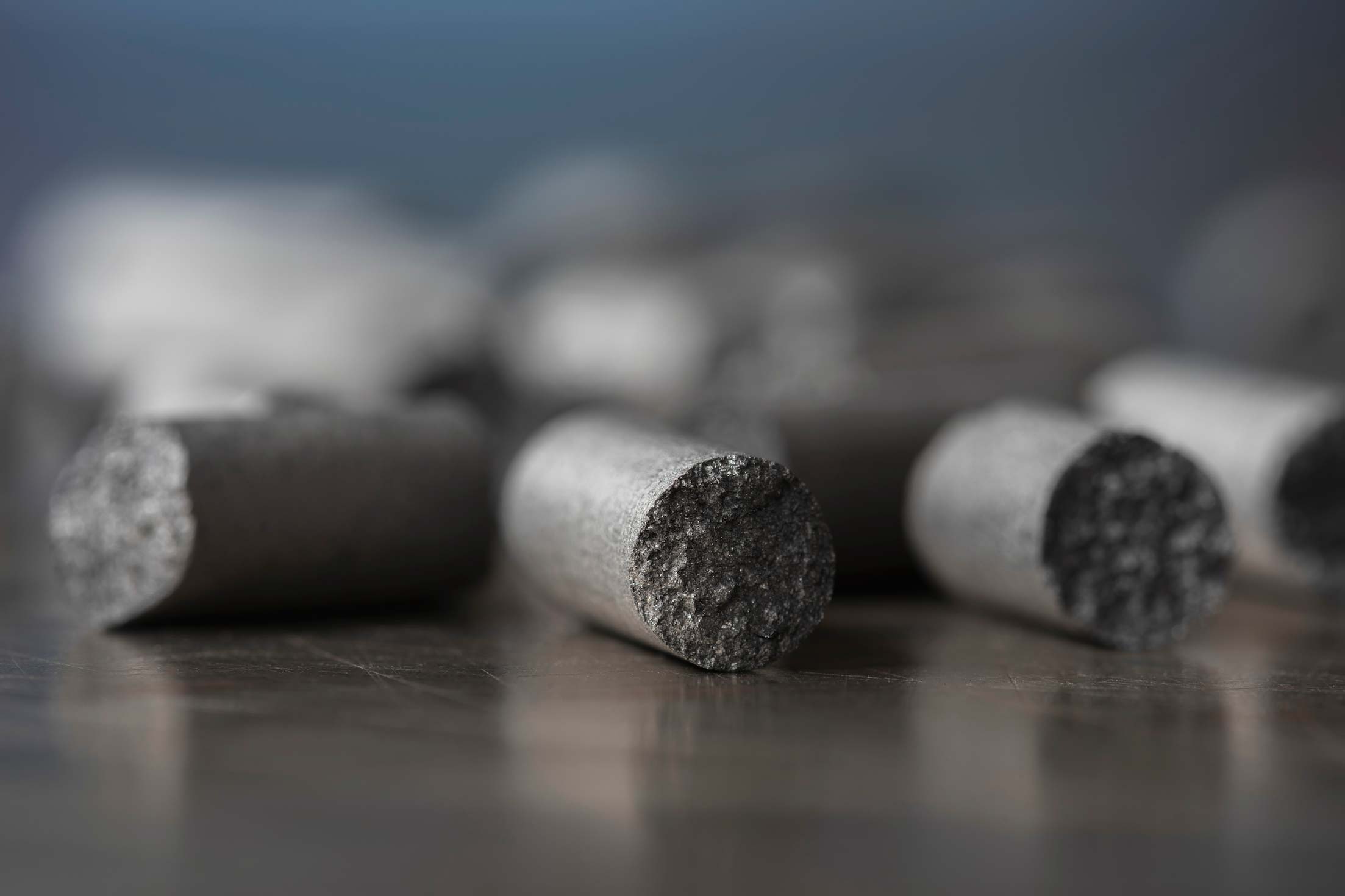
Why Graphite Is So Widely Used
Graphite is a crystalline form of carbon with a combination of properties few materials can match. It conducts electricity and heat, withstands extreme temperatures, resists corrosion and chemical attack, and acts as a natural dry lubricant. Because of these traits, graphite appears in products ranging from electric vehicle batteries to the bricks that line steel furnaces.
Industrial graphite comes in two broad forms. Natural graphite is mined and then processed by crushing, flotation, purification and sizing. Synthetic graphite is manufactured from petroleum coke or coal tar pitch at very high temperatures. Each has a role: natural flake graphite is favored where cost, supply diversification and a lower processing footprint matter, while synthetic graphite is common in high-purity electrodes and some battery grades.
Main Industrial Applications of Graphite
Lithium-ion batteries. Graphite is the dominant anode material in lithium-ion cells. In electric vehicles, energy storage systems and consumer electronics, lithium ions are stored between graphite layers during charging. Battery-grade material is typically spheronized and purified before use, and a single electric vehicle battery can contain tens of kilograms of graphite, which is far more than the lithium it contains.
Refractories and steelmaking. Graphite's heat resistance makes it a core ingredient in magnesia-carbon and alumina-carbon bricks, crucibles and linings used in electric arc furnaces, ladles and converters. It is also used as a carbon raiser to adjust the carbon content of steel and cast iron.
Foundry and metal casting. Foundries use graphite in mold coatings and facings, where it helps release castings cleanly and improves surface finish.
Lubricants. Graphite is used as a solid lubricant in greases, dispersions and coatings, especially where oils fail at high temperature or under heavy load.
Friction materials and brakes. Graphite is added to brake linings and clutch materials to control friction, reduce wear and manage heat.
Expanded graphite and sealing. When treated and heated, flake graphite expands into a lightweight material used in flexible graphite foil, gaskets and seals for chemical and power plants, and in fire-retardant products.
Other uses. Graphite also appears in conductive coatings, fuel cell plates, alkaline batteries, pencils, polymers and composites, and it is the starting point for emerging materials such as graphene.
A grade that works well in a refractory may not suit a battery anode. Fixed-carbon content, flake size, moisture and impurity limits differ by application, so a clear specification up front avoids costly mismatches between supply and end use.
Graphite Supply Chain Considerations
Graphite has been designated a critical mineral in the United States, largely because supply is highly concentrated. China accounts for the majority of global graphite mining and for most of the processing used to make battery anode material, and it introduced export licensing requirements for certain graphite products in late 2023. For industrial buyers, this makes traceable origin, consistent specification and diversified sourcing increasingly important.
As battery manufacturing and domestic steel and defense supply chains expand outside China, buyers are looking for qualified natural graphite from additional regions, including South America, with documented origin and inspection protocols.
What This Means for Buyers
- Graphite demand spans batteries, steel, foundries, lubricants and specialty materials, each with different quality requirements
- Natural and synthetic graphite serve different roles, and many buyers use both
- Supply concentration makes origin documentation and diversified sourcing a priority
- A clear specification covering carbon content, flake size and impurities reduces risk in any transaction
Optrace Minerals is developing a commercial supply channel for natural graphite for qualified industrial buyers, with specification review, inspection and transaction support from origin through delivery.
Related reading: Graphite for Industrial Buyers
Have a graphite requirement? Share your application, target grade and quantity so our commercial team can review fit and availability. Contact Optrace Minerals